November 16, 2026
Older houses offer timeless architectural character and distinctive charm that modern subdivisions rarely match. However, beneath vintage plaster, classic moldings, and antique hardwood floors sits an aging electrical network that was never planned for modern life. When historic architecture meets intense modern energy consumption, underlying components can degrade and create unseen hazards throughout the building. Scheduling a professional electrical inspection gives homeowners clarity regarding their property's infrastructure, turning hidden vulnerabilities into manageable updates before dangerous issues occur. Protecting a cherished older residence requires a proactive commitment to ongoing maintenance, ensuring everyday convenience and peace of mind for everyone under your roof.
Recognizing Aging Infrastructure in Historic Properties
Building components naturally deteriorate as decades pass, and electrical networks remain uniquely vulnerable to long-term physical breakdown. As a residence ages, its interior conductors, splice connections, and distribution panels experience ongoing mechanical degradation from ambient temperature fluctuations and continuous electrical currents. Insulation materials surrounding internal copper or aluminum wiring crack over decades, leaving energized conductors exposed to structural framework and combustible building materials. According to This Old House, older houses frequently encounter persistent electrical problems due to their customary reliance on limited 60 amp to 100 amp service. This restricted capacity regularly struggles to operate modern central climate units, powerful kitchen appliances, and extensive home entertainment networks simultaneously.
Corrosion poses an equally severe threat to vintage infrastructure, particularly across basements, crawlspaces, and exterior perimeter walls exposed to seasonal moisture. Oxidized terminals, corroded bus bars, and rusty conductor splices create heightened resistance to incoming electrical currents. This elevated resistance frequently triggers voltage drops, causing home appliances to malfunction, lights to flicker, and circuit breakers to trip repeatedly during standard operation. Arranging a routine electrical inspection enables certified specialists to identify deteriorating components before catastrophic failures disrupt household operations. Timely intervention mitigates expensive emergency restorations while systematically defending the structural integrity of your beloved property.
Comparing Vintage Installations and Modern Safety Codes
Electrical building codes undergo steady revision to incorporate modern technical innovations and elevated life-safety protocols. Historic safety codes addressed modest energy requirements, providing rudimentary illumination and small household appliances with minimal circuit regulation. Because past regulations permitted configurations that fall drastically below current guidelines, older residences often harbor hidden compliance discrepancies. Modern electrical standards mandate dedicated grounding pathways, ground fault circuit interrupters across moist zones, and arc fault circuit interrupters throughout living spaces. Investing in an expert electrical inspection highlights these critical code discrepancies, establishing a practical roadmap toward comprehensive modern safety.
Living alongside outdated electrical configurations frequently instills a false sense of security in long-time homeowners. Residents often presume their electrical network functions safely merely because light switches turn on and wall plugs power tabletop devices. Unfortunately, archaic networks lack critical protective redundancies, which can cause significant challenges with property insurers, including expensive premium surcharges or sudden policy non-renewals. Licensed technicians possess deep knowledge regarding historical installation methods and contemporary municipal codes, offering clear instructions for bringing older equipment up to code.
Evaluating Daily Wear and System Fatigue
The relentless wear experienced by vintage electrical components represents a serious concern for older properties. Daily operation causes wall receptacles, terminal screws, and breaker switches to undergo subtle degradation that escapes ordinary visual observation. Deteriorated wall outlets lose their internal mechanical grip, generating dangerous resistance when plugs fit loosely into wall fixtures. Homeowners frequently encounter nuisance breaker tripping or blown screw-in fuses without realizing these events signal systemic wear. Scheduling a comprehensive electrical inspection remains the most effective strategy for detecting fatigued materials before they provoke house fires or complete system shutdowns.
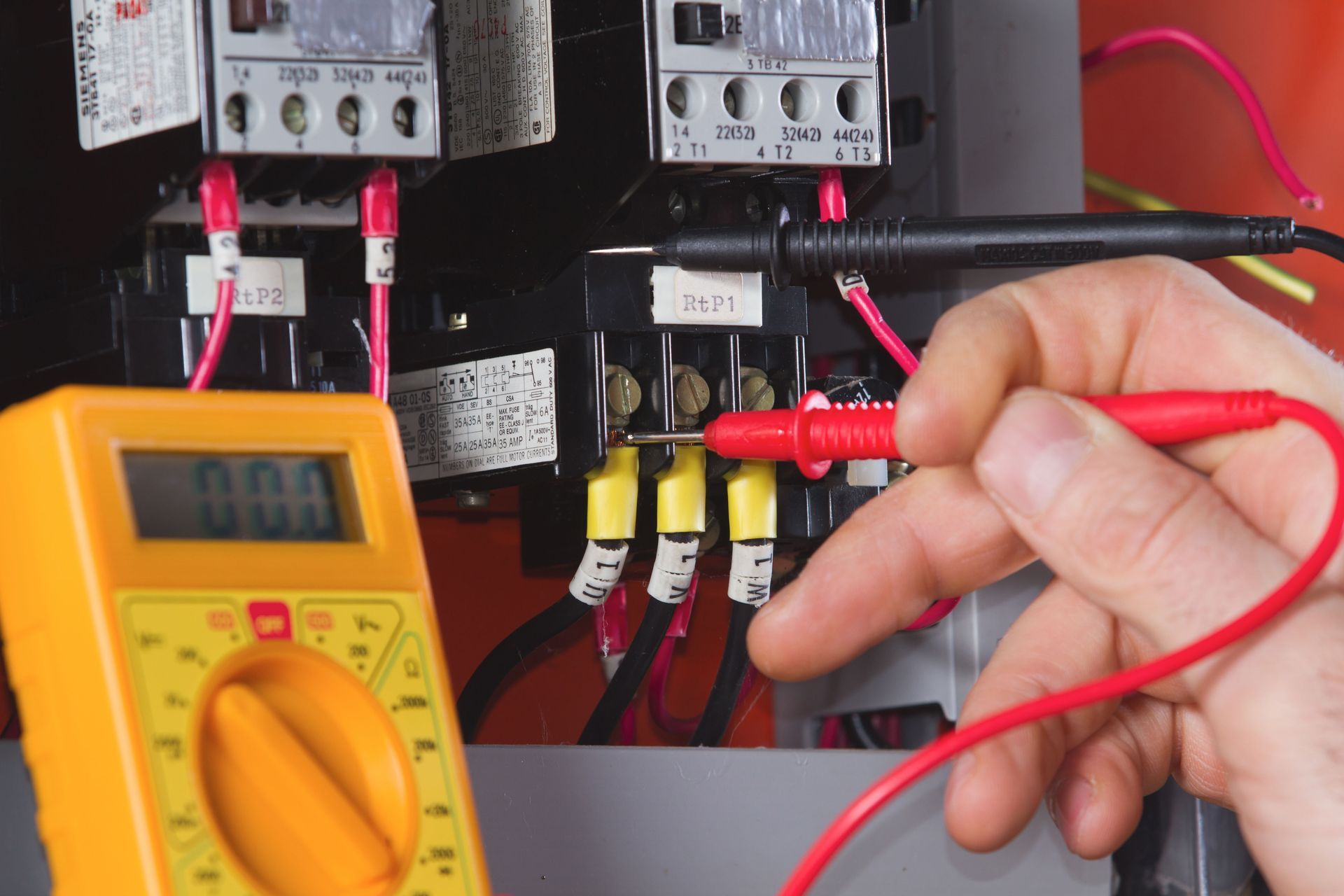
Detecting subtle system fatigue within enclosed walls demands specialized diagnostics, diagnostic meters, and extensive field expertise. Over decades, thermal cycling degrades wire coatings, leaving brittle sheathing vulnerable to vibrations caused by closing doors or adjacent foot traffic. These degraded conditions occur frequently in older residences built when protective insulation materials lacked modern synthetic polymers. During thorough physical evaluations, technicians locate compromised branch runs and execute targeted restorations to stabilize internal safety. Proactive component replacement remains the cornerstone of long-term risk reduction for classic buildings.
Eliminating Obsolete Technologies and Vulnerable Materials
Older properties frequently rely on antiquated technology that represents a serious operational hazard. Outdated fuse boxes lacking modern automated tripping mechanisms fail to provide modern circuit defense against sustained overloads. Previous occupants may have installed improper fuse ratings, forcing branch circuits to carry unsafe loads without tripping the safety element. Outdated technologies severely bottleneck energy distribution, hike utility bills, and trigger erratic appliance performance. An independent electrical inspection identifies obsolete assemblies, paving the way for targeted modernizations that boost safety.
Inadequate electrical capacity remains a defining liability for homes constructed when households used fewer domestic electronics. Historic distribution panels were never engineered to power complex modern lifestyle setups, demanding home entertainment networks, or modern heat pumps. When high-consumption devices operate simultaneously on limited circuits, the entire building network suffers from severe thermal stress. Arranging an electrical inspection allows certified specialists to measure live loads, calculate service demands, and prescribe panels that accommodate expanding energy needs without sparking hazards.
Preventing Structural Fires and Electrical Accidents
Neglecting the electrical network in an aging residence drastically increases the likelihood of catastrophic structural fires. Deteriorated conductor insulation, overloaded service panels, and loose splices inside concealed junction boxes rank among the most common catalysts for residential blazes. Excessive heat generated by congested branch lines breaks down adjacent structural timbers over years, lowering the wood's ignition temperature through pyrophoric carbonization. These latent hazards remain entirely invisible from living spaces until smoke emerges from baseboards or wall plates. Prioritizing an annual electrical inspection provides the necessary oversight to uncover thermal hotspots and loose conductors before flames erupt.
Older homes also present elevated shock risks due to missing equipment grounds and degraded receptacle insulation. Early two-prong outlets lack a dedicated bonding path to divert stray fault currents away from human occupants. When a connected tool or appliance suffers an internal fault, the metallic housing can become fully energized, delivering a severe shock to anyone touching the exterior frame. Routine evaluations pinpoint ungrounded branch circuits, missing ground fault interrupters near sinks, and improperly bonded pipes. Rectifying these hazards protects family members, guests, and visiting contractors from painful electrical shocks.
Safeguarding Hidden Building Cavities and Property Value
Concealed wiring networks running through floor joists, attics, and interior wall framing conceal dangerous defects from everyday view. Rodents frequently nest in undisturbed building cavities, chewing through protective wire jackets and exposing energized metal conductors to dry structural wood. Past DIY renovations executed by unqualified handypersons may have introduced ungrounded junction boxes, improperly spliced lines, and undersized conductors concealed behind modern drywall. A thorough electrical inspection utilizes specialized testing equipment to evaluate line resistance, circuit integrity, and thermal variations without requiring extensive demolition. Detecting latent defects inside concealed cavities preserves family safety and prevents sudden system collapses.
Comprehensive preventative maintenance saves property owners considerable money by catching minor hardware flaws before they trigger complex emergency replacements. Resolving loose connections, balancing overloaded panel phases, and replacing worn switches during planned visits costs far less than dispatching emergency repair crews after midnight. Proactive care also improves daily energy efficiency by eliminating resistive heat loss across corroded connections, keeping household utility bills manageable. Maintaining an older home requires consistent diligence, but partnering with knowledgeable specialists transforms a potentially volatile electrical network into a reliable, efficient asset. For comprehensive evaluations, panel upgrades, and historical wiring replacements, contact Josh Lamb Electrician LLC to schedule your appointment today.